
How to manage acne-prone sensitive skin: A Skin therapist's guide
- Creciany Camargo
- Jul 9
- 5 min read

By Crissy, Founder of Crissy Skin Therapy 15+ years as a qualified skin therapist in South East London
Living with acne-prone sensitive skin can feel like walking a tightrope. You want clear skin, but harsh treatments often leave it red, irritated, or worse. After more than 15 years treating clients with exactly this combination at my clinic in Canada Water, London, I can tell you it's one of the most common and most misunderstood skin types I see.
The good news: it's entirely manageable once you understand what your skin actually needs.
Quick answer: Acne-prone sensitive skin needs gentle, consistent care rather than aggressive treatment. Use a soap-free cleanser, low-strength active ingredients (like 0.5% salicylic acid), a barrier-repairing moisturiser with ceramides, and daily mineral sunscreen. Avoid over-cleansing and fragranced products, which are the two most common triggers I see in clinic. Most people see visible improvement within 4–6 weeks of consistent, gentle care.
What is acne-prone sensitive skin?

Acne-prone sensitive skin is a combination that reacts easily to environmental factors, skincare products, and stress, while also being prone to breakouts. It's a tricky pairing because the two conditions pull in different directions: acne treatments are often designed to be strong and drying, while sensitive skin needs the opposite, calm, gentle, barrier-supporting care.
When acne develops, the skin's barrier is frequently already compromised, which makes it more vulnerable to inflammation and moisture loss. This is why standard, aggressive acne treatments can backfire, causing more redness and irritation without actually clearing breakouts.
What makes skin sensitive?
Sensitive skin typically shows some combination of these signs:
Tightness, itching, or a burning sensation after applying products
Flushing or redness that appears quickly
Rashes or reactive patches after using new skincare
A skin barrier that feels compromised or "reactive" most of the time
Sensitivity can come from genetics, environmental exposure, or a weakened skin barrier. When acne is present at the same time, the skin's natural defences are already under strain, so protecting the barrier becomes just as important as treating the breakouts.
Skincare principles for acne-prone sensitive skin
These are the core principles I recommend to clients, based on what consistently works in clinic:
Choose mild, fragrance-free products. Fragrance and harsh chemicals are among the most common triggers for irritation. Look for products labelled hypoallergenic or formulated for sensitive skin.
Don't over-cleanse. Washing too often, or with strong cleansers, strips natural oils and can worsen both sensitivity and acne.
Moisturise daily, even if skin is oily. A lightweight, non-comedogenic moisturiser helps maintain the skin barrier without clogging pores.
Use active ingredients sparingly and at low strength. Salicylic acid or benzoyl peroxide can help, but should be introduced cautiously.
Wear sunscreen every day. UV exposure worsens redness and inflammation, so daily broad-spectrum protection is non-negotiable.
By following these principles, you create a foundation for healthier skin that can better resist acne flare-ups.
A step-by-step routine for manage acne-prone sensitive skin
1. Cleanse gently, twice a day. Use a mild, soap-free cleanser with soothing ingredients like aloe vera or chamomile. Massage in with fingertips and rinse with lukewarm water.
2. Apply a calming, alcohol-free toner. Look for rose water or green tea extract to help restore pH balance and reduce redness.
3. Introduce targeted treatments carefully. Start with a low concentration, such as a 0.5% salicylic acid serum, applied only to affected areas. Monitor how your skin responds before increasing strength or frequency.
4. Moisturise to repair and protect. Choose an oil-free formula containing ceramides or hyaluronic acid to rebuild the barrier and lock in hydration.
5. Never skip sunscreen. A mineral-based SPF with zinc oxide or titanium dioxide is generally better tolerated by sensitive skin than chemical filters.
6. Add a soothing mask once or twice a week. Oatmeal or honey-based masks can calm inflammation and give the skin a comforting boost.
Results take time.
Most people need 4–6 weeks of consistent, gentle care before seeing a real improvement, sensitive skin doesn't respond well to rushing.
Lifestyle habits that support clearer skin
Skincare products are only part of the picture. These daily habits make a measurable difference:
Stay hydrated water supports overall skin function and helps the body clear toxins.
Eat a balanced diet rich in whole foods, antioxidants, vitamins, and minerals, and go easy on sugar and processed food, which can trigger inflammation.
Manage stress through techniques like yoga, meditation, or deep breathing, stress is a well-known acne and sensitivity trigger.
Prioritise sleep, since skin repair happens overnight.
Avoid touching your face, which transfers bacteria and oils that contribute to breakouts.
When should you see a skin therapist for acne-prone sensitive skin?
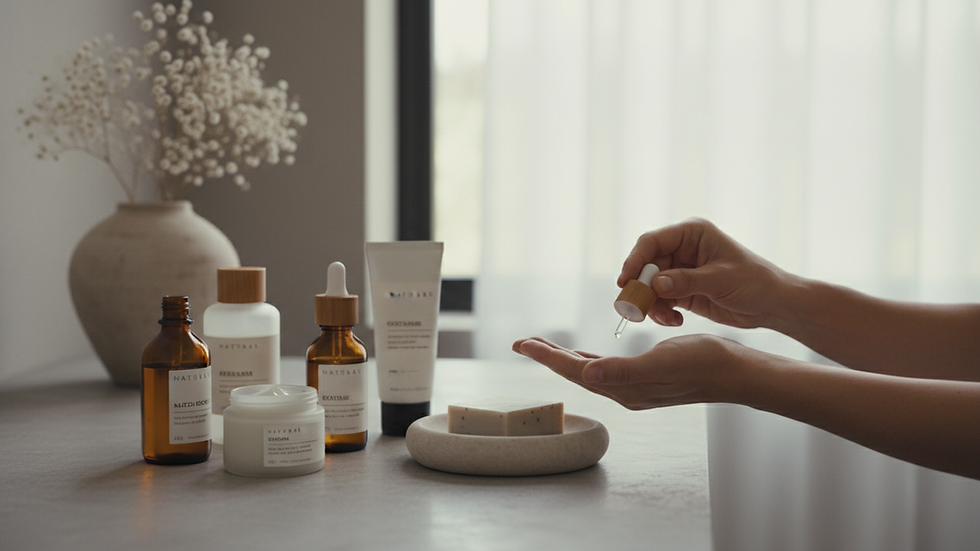
Eye-level view of a calm, minimalist bathroom with natural skincare products Home care handles most day-to-day maintenance, but it's time to seek professional treatment if you notice:
Persistent redness that doesn't settle with gentle care
Painful, cystic breakouts
Scarring or post-acne marks that aren't fading
No improvement after 6–8 weeks of a consistent gentle routine
A qualified skin therapist can offer treatments that go beyond what's possible at home, including:
Medical-grade facials tailored specifically to sensitive, acne-prone skin
LED phototherapy, which uses medical-grade light wavelengths to calm inflammation and target acne-causing bacteria
Low-irritation professional peels for controlled exfoliation without the downtime of aggressive treatments
Personalised product and routine guidance based on an in-person skin assessment
Frequently asked questions
Can acne-prone skin also be sensitive? Yes. It's a common combination. Acne compromises the skin barrier, which in turn makes the skin more reactive to products, environmental triggers, and even stress — so both need to be treated together, not separately.
What ingredients should I avoid with acne-prone sensitive skin? Avoid added fragrance, high-strength alcohol, and strong exfoliants like high-percentage AHAs/BHAs or physical scrubs. These are the most common causes of flare-ups I see in clinic.
Is salicylic acid safe for sensitive skin? Yes, in low concentrations. A 0.5% salicylic acid serum applied only to affected areas is generally well tolerated and helps unclog pores without overwhelming the skin barrier.
How long does it take to see results on manage acne-prone sensitive skin? Most people see visible improvement within 4–6 weeks of consistent, gentle care. Sensitive skin responds poorly to rushed or aggressive treatment, so patience is part of the process.
Where can I get professional treatment for acne-prone sensitive skin in London? Crissy Skin Therapy, based in Canada Water, South East London (SE8), offers personalised, evidence-based treatments for acne-prone and sensitive skin, including LED phototherapy, gentle peels, and bespoke facials — all designed around long-term skin health rather than quick fixes.
The Bottom Line
Acne-prone sensitive skin isn't a contradiction it's a specific skin type that needs a specific approach: gentle, consistent, barrier-first care rather than aggressive treatment. Choose mild products, introduce actives slowly, protect the barrier daily, and give it time to work. If your skin isn't responding after several weeks of consistent home care, a professional assessment can identify what's really going on and get you back on track faster.
Crissy is a qualified skin therapist with over 15 years of clinical experience, running Crissy Skin Therapy in Canada Water, London (SE8), specialising in advanced, non-invasive facial treatments for long-term skin health.


Comments